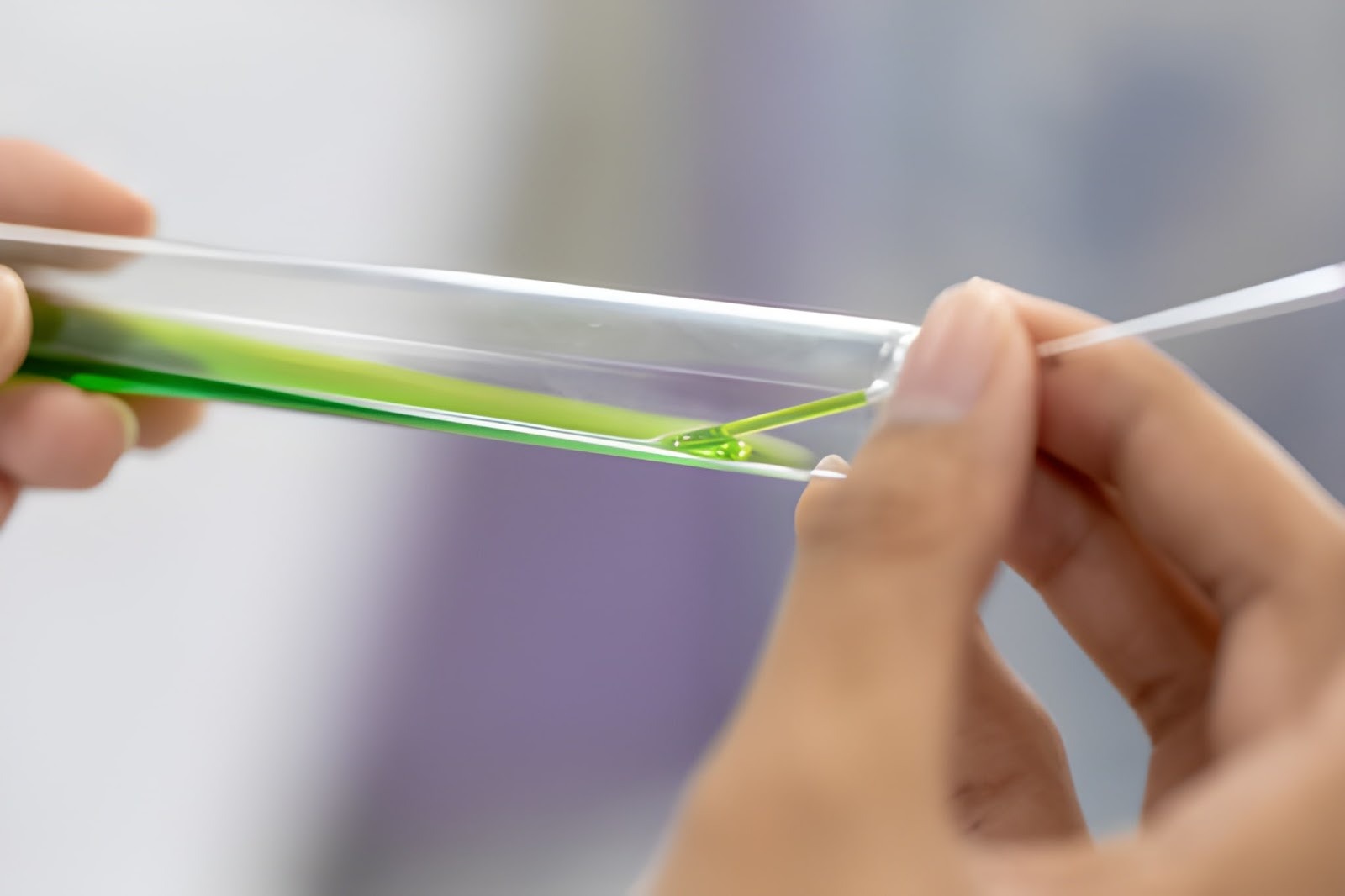
When you choose Bulk Kratom Depot for your kratom needs, you deserve assurance that the product is pure, consistent, and responsibly sourced. At Bulk Kratom Depot, we rely on certified third-party laboratories and strict internal quality control protocols to verify that every batch meets our standards for alkaloid composition, heavy metals, and microbial safety.
Transparency, reliability, and integrity are the foundation of everything Bulk Kratom Depot delivers.
Understanding Consumer Safety Concerns
Customers expect botanical products to be free from contaminants and handled responsibly. Without proper testing, materials such as kratom leaves can contain inconsistent alkaloid levels, heavy metals, or microbial impurities. Laboratory testing helps maintain consistency, quality, and accountability across batches.
Legal & Regulatory Landscape for Kratom Testing
In the U.S., kratom (Mitragyna speciosa) is not approved by the Food & Drug Administration (FDA) as a drug, dietary botanical, or food additive. However, responsible industry practices are encouraged by organizations such as the American Kratom Association (AKA), whose Good Manufacturing Practices (GMP) Standards Program promotes transparency and vendor accountability.
Ethical vendors follow these voluntary standards to ensure quality and safety even as regulations differ by region.
Oasis Kratom
What Happens Without Proper Testing
Without independent testing, the risks may include:
- Contaminated or inconsistent batches entering the market.
- Product quality issues that can lead to consumer dissatisfaction.
- Erosion of trust between vendors and their buyers.
Testing supports quality assurance, reduces potential risks, and helps uphold credibility across the supply chain.
Our Commitment to Third-Party Lab Testing
At Bulk Kratom Depot, accuracy and transparency guide our quality assurance process.
Our Quality Assurance Philosophy
Quality begins at the source. We carefully evaluate each supplier, inspect every shipment, and maintain full traceability before any lab testing begins. Our goal is to ensure consistency and product integrity every time.
Why Independent Labs Matter
Partnering with certified external laboratories eliminates bias and provides verifiable, accurate results. This gives wholesale partners the documentation they need and builds confidence throughout the buying chain.
Certification & Compliance Standards We Follow
We align with recognized quality frameworks such as the AKA’s GMP Standards Program. These voluntary benchmarks reflect best practices in manufacturing, packaging, storage, and distribution.
Oasis Kratom
Step 1: Initial Quality Control & Supplier Screening
Vetting Raw Kratom Sourcing
We work only with trusted growers who follow responsible agricultural methods and limit chemical exposure. Ethical farming and careful handling form the foundation for high-quality material.
Pre-Shipment Visual Inspections
Upon arrival, each lot undergoes a visual inspection. Leaves are checked for cleanliness, proper drying, and freedom from visible contamination.
Traceability & Chain-of-Custody Checks
Each batch is tracked using lot numbers and documented from source to final packaging ensuring accountability and transparency throughout the process.
Step 2: Heavy Metals Testing
Testing confirms that products remain within safe elemental thresholds.
The Risks of Heavy Metals in Kratom
Because kratom grows in natural soil, trace elements such as lead, mercury, arsenic, or cadmium may be present. Testing ensures that these elements remain below acceptable safety limits.
Our Testing Protocol for Lead, Mercury, Arsenic & Cadmium
Certified third-party labs analyze each batch for these four metals using validated scientific techniques that deliver accurate, reproducible results.
How to Interpret a Heavy Metals Test Report
Reports list the detected level of each element compared to recognized safety limits. Values showing “non-detected” or below-limit readings indicate compliance with safe manufacturing practices.
Frequency of Heavy Metals Testing
Every batch is tested for heavy metals to maintain quality assurance and confidence for both wholesale and retail clients.
Step 3: Alkaloid Profiling for Mitragynine & More
Why Mitragynine Levels Matter
Mitragynine is a key natural alkaloid in kratom leaves. Monitoring its percentage helps ensure product consistency and transparency for buyers.
Understanding 7-Hydroxymitragynine & Other Alkaloids
Kratom also contains other naturally occurring alkaloids. The American Kratom Association advises that 7-Hydroxymitragynine (7-OH) should remain at a low proportion typically under ~2% of total alkaloids.
Testing helps confirm natural composition and identify adulteration.
Methods for Accurate Alkaloid Quantification
Certified laboratories employ High-Performance Liquid Chromatography (HPLC) and other advanced instruments to provide precise alkaloid profiles for each batch.
How Alkaloid Profiles Impact Product Consistency
Alkaloid profiling enables wholesale clients to understand the composition of each strain and maintain batch-to-batch reliability.
Step 4: Microbial & Contaminant Screening
Checking for Salmonella, E. coli & Mold
Independent laboratories screen each batch for microbial contaminants, including Salmonella, E. coli, yeast, and mold counts. This ensures products meet strict safety benchmarks.
Ensuring Compliance with Food Safety Benchmarks
Although kratom is not approved as a dietary ingredient, we voluntarily align with food-grade microbial testing standards to uphold product quality.
Frequency & Reporting Standards
Microbial testing is performed on every batch. Certificates of Analysis (CoA) are archived and can be provided to wholesale buyers upon request.
How to Read Kratom Lab Reports
Key Terms You Should Know
- CFU = Colony Forming Units (microbial count)
- ppm = parts per million (heavy metal metric)
- HPLC = High-Performance Liquid Chromatography
- % Alkaloid = percentage of specific alkaloids (e.g., mitragynine, 7-OH)
Interpreting Heavy Metals Results
Acceptable test results show “non-detected” or values below recognized thresholds. Any deviations are carefully reviewed by our internal quality team.
Breaking Down Alkaloid Content Percentages
Each report outlines the precise alkaloid percentages. Comparing these data points helps confirm product consistency and authenticity.
Verifying Authenticity & Test Dates
Always check the following details on lab reports:
- Date of analysis
- Batch or lot number
- Lab accreditation and third-party credentials
- Matching product identification
What Sets Bulk Kratom Depot Apart
Consistent Batch Testing & Transparency
Every batch receives a unique Certificate of Analysis. Wholesale partners may request detailed lab documentation or review sample reports for reference.
Advanced Testing Equipment & Partners
We collaborate with recognized laboratories that use validated instruments and traceable methods to ensure accuracy and reliability.
Internal Verification Steps After Lab Results
After receiving lab data, our internal team verifies and archives results, maintaining reference samples for ongoing quality validation.
Why Third-Party Lab Testing Protects B2B & Wholesale Clients
Bulk Buyers and Quality Assurance
Wholesale clients depend on accurate, verified testing to maintain reliability throughout their distribution channels.
Risk Reduction for Retailers and Resellers
Verified test reports demonstrate accountability and build trust with retailers and customers.
Documentation for Legal Protection
While kratom is not federally regulated, maintaining certified test reports supports responsible business operations and transparency.
Conclusion: Our Ongoing Commitment to Purity & Safety
We continually refine our sourcing, testing, and reporting methods to ensure consistent, high-quality standards.
Why We Continuously Improve Our Testing
As the industry evolves, we review our protocols and incorporate updated best practices to enhance product transparency. Explore our latest Kratom Testing Blogs to learn more about our ongoing improvements, lab updates, and quality assurance insights.
Where to Find Our Latest Lab Reports
Wholesale clients can request Certificates of Analysis (CoA) for any batch. We also provide sample lab sheets, periodic updates, and detailed information through our Bulk Kratom Depot Blogs, demonstrating our dedication to transparency and integrity.
How Customers Benefit from Our Standards
When you choose Bulk Kratom Depot, you receive kratom that is responsibly sourced, thoroughly tested, and verified through documented processes giving you greater confidence with every order. Visit our Blogs section for more insights into our quality control practices and product standards.
FAQs
Do you test every batch of kratom?
Lorem ipsum dolor sit amet, consectetur adipiscing elit. Ut elit tellus, luctus nec ullamcorper mattis, pulvinar dapibus leo.
Which contaminants do you test for?
Heavy metals (lead, mercury, arsenic, cadmium), microbial contaminants (Salmonella, E. coli, etc.), and natural alkaloids (mitragynine, 7-OH, and more).
Why use third-party labs instead of only internal testing?
External certified laboratories offer unbiased verification and independent documentation for full transparency.
Can wholesale buyers access lab reports?
Yes. Wholesale partners may request Certificates of Analysis for every batch purchased.
How often do you update your testing practices?
Our team reviews and updates procedures regularly in line with evolving industry standards.