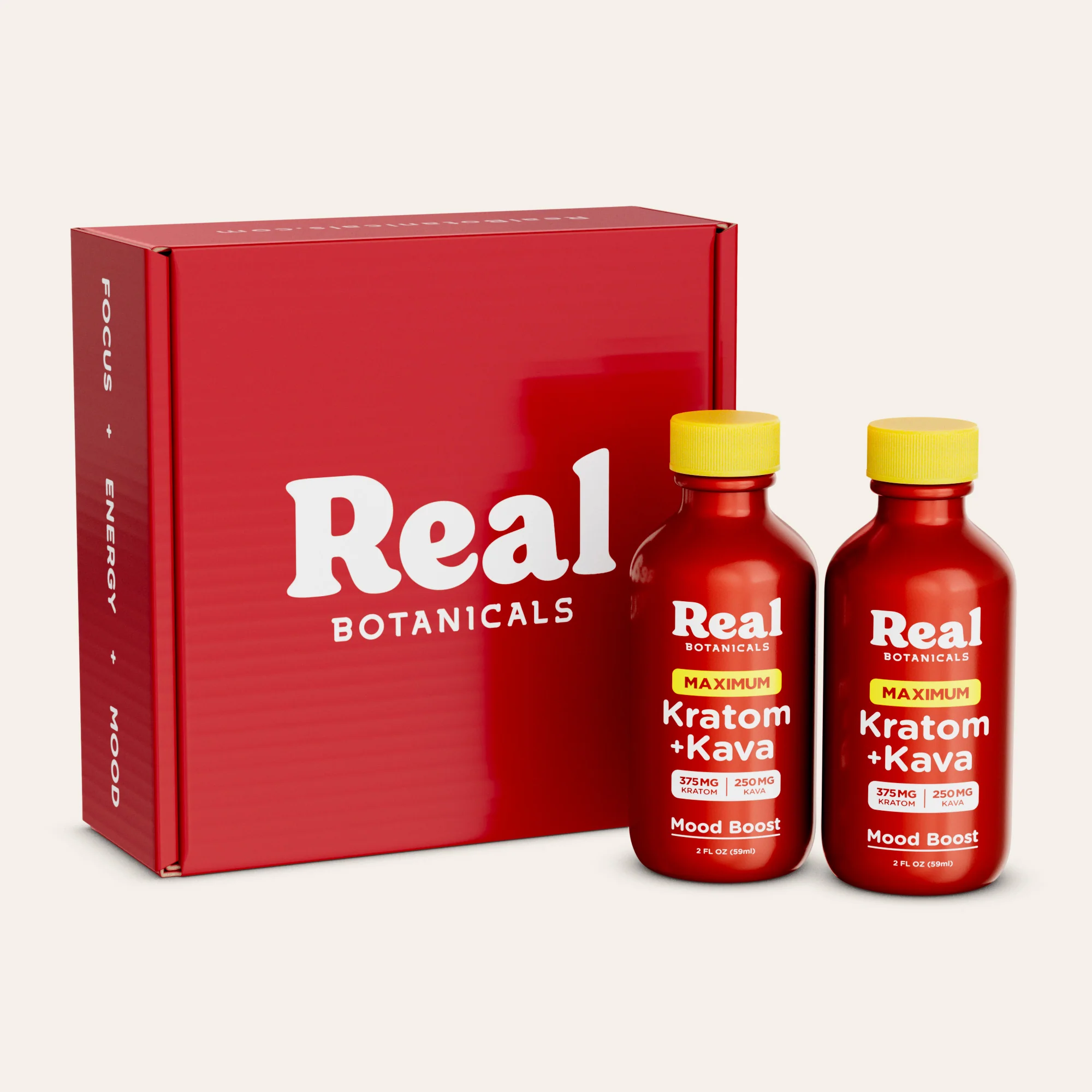
 Across much of the world, kratom and kava have deep cultural significance. Both are traditional plants that have been part of daily and ceremonial life for generations.
Today, modern interest in these herbs continues to grow, especially as people explore chewables and liquid shots made from them. Educational suppliers such as Bulk Kratom Depot provide information and resources for those interested in learning about these plants and their origins.
This article offers an educational overview of kratom and kava, focusing on their history, cultural use, and modern context. It does not promote or recommend any form of consumption. Always speak with a qualified healthcare professional before using any herbal product.
What Are Kratom and Kava? A Functional Herbal Duo
Brief Overview of Kratom (Mitragyna Speciosa)
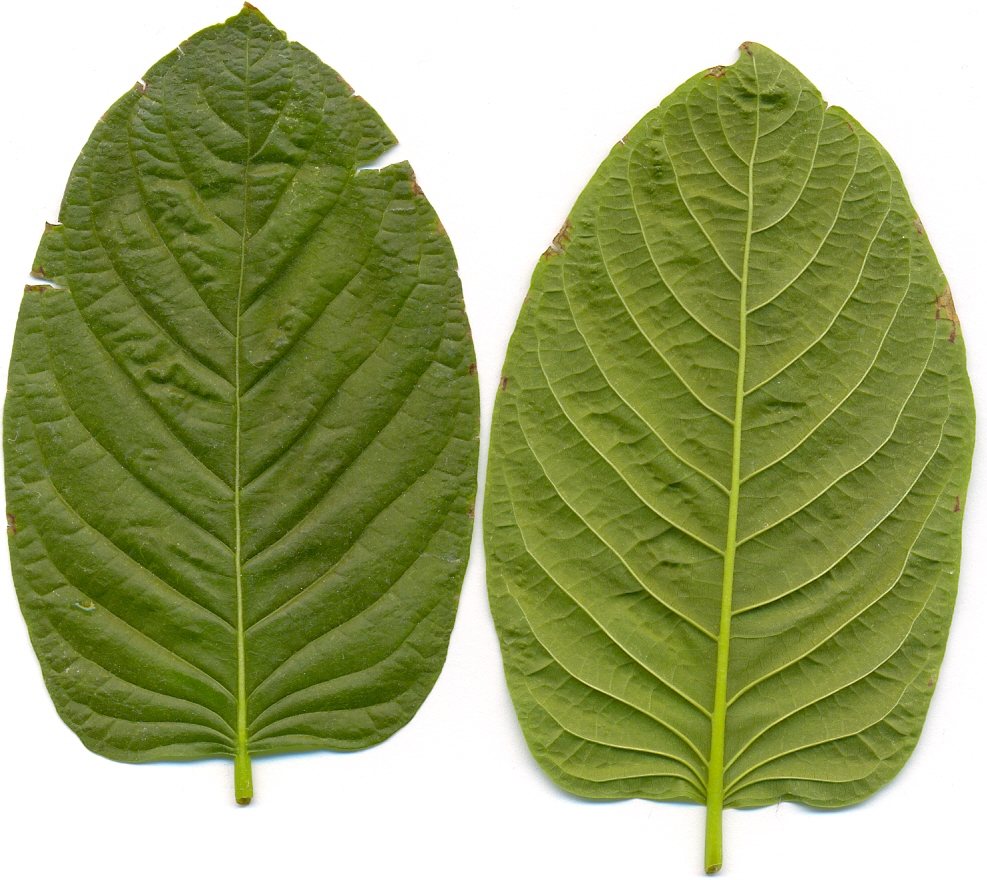
Kratom (Mitragyna speciosa) is a tropical evergreen tree native to Southeast Asia, mainly found in Thailand, Indonesia, and Malaysia. Traditionally, people in these regions have used its leaves in social and community settings.
Farmers sometimes chewed the leaves during long workdays or brewed them into tea for gatherings. In modern times, kratom is also studied by researchers who want to understand its alkaloid profile and potential properties.
Traditional Use Cases in Southeast Asia
Communities in Southeast Asia have long included kratom in daily routines. The plant’s role was social and cultural rather than commercial. The leaves were typically fresh, prepared in small amounts, and shared among friends or family.
It is important to remember that traditional practices differ greatly from modern commercial products, such as Chewables & Mood-Boost Shots, which may use concentrated extracts or powders designed for convenience rather than traditional preparation.
Kava Root and Its Cultural Significance
Kava (Piper methysticum) grows throughout the South Pacific Islands, including Fiji, Tonga, and Vanuatu. Islanders have used kava root in ceremonies and gatherings for centuries.
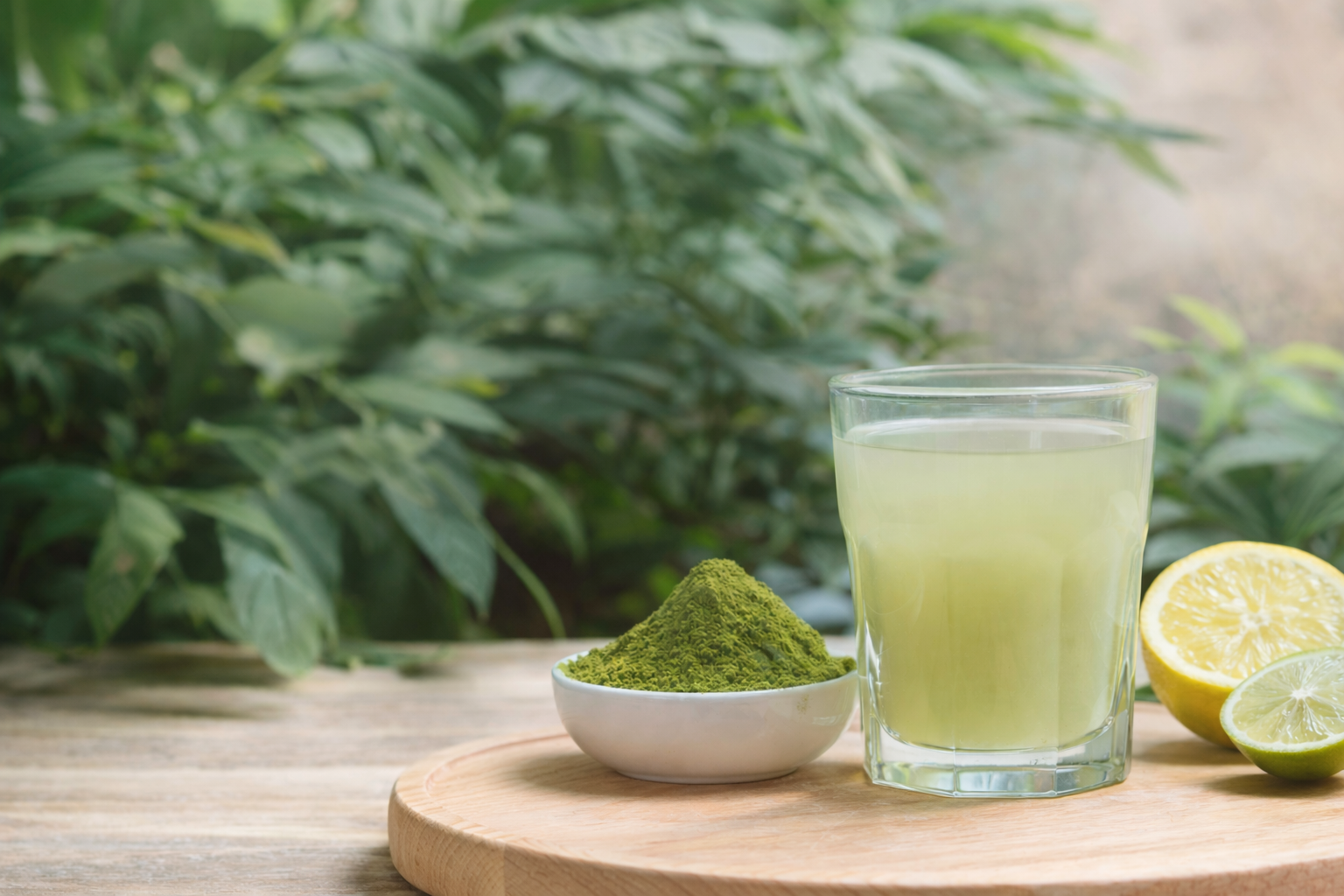
Kava is prepared by grinding or pounding the root and mixing it with water to create a beverage that symbolizes community and relaxation. The plant holds deep cultural meaning, representing respect and social harmony.
Why They’re Often Discussed Together
Although kratom and kava come from different regions, they are often discussed together because both are traditional herbs with long histories. People associate them with natural wellness discussions, yet they differ in chemistry and cultural purpose. Understanding those differences is key to using information responsibly.
Why Fast-Acting Forms Matter: Chewables vs. Capsules vs. Shots
Speed of Absorption Comparison
Some consumers prefer fast-acting products such as chewables or ready-to-drink shots. These forms may allow quicker absorption compared to traditional teas or capsules, depending on individual metabolism.
Pros and Cons of Each Delivery Method
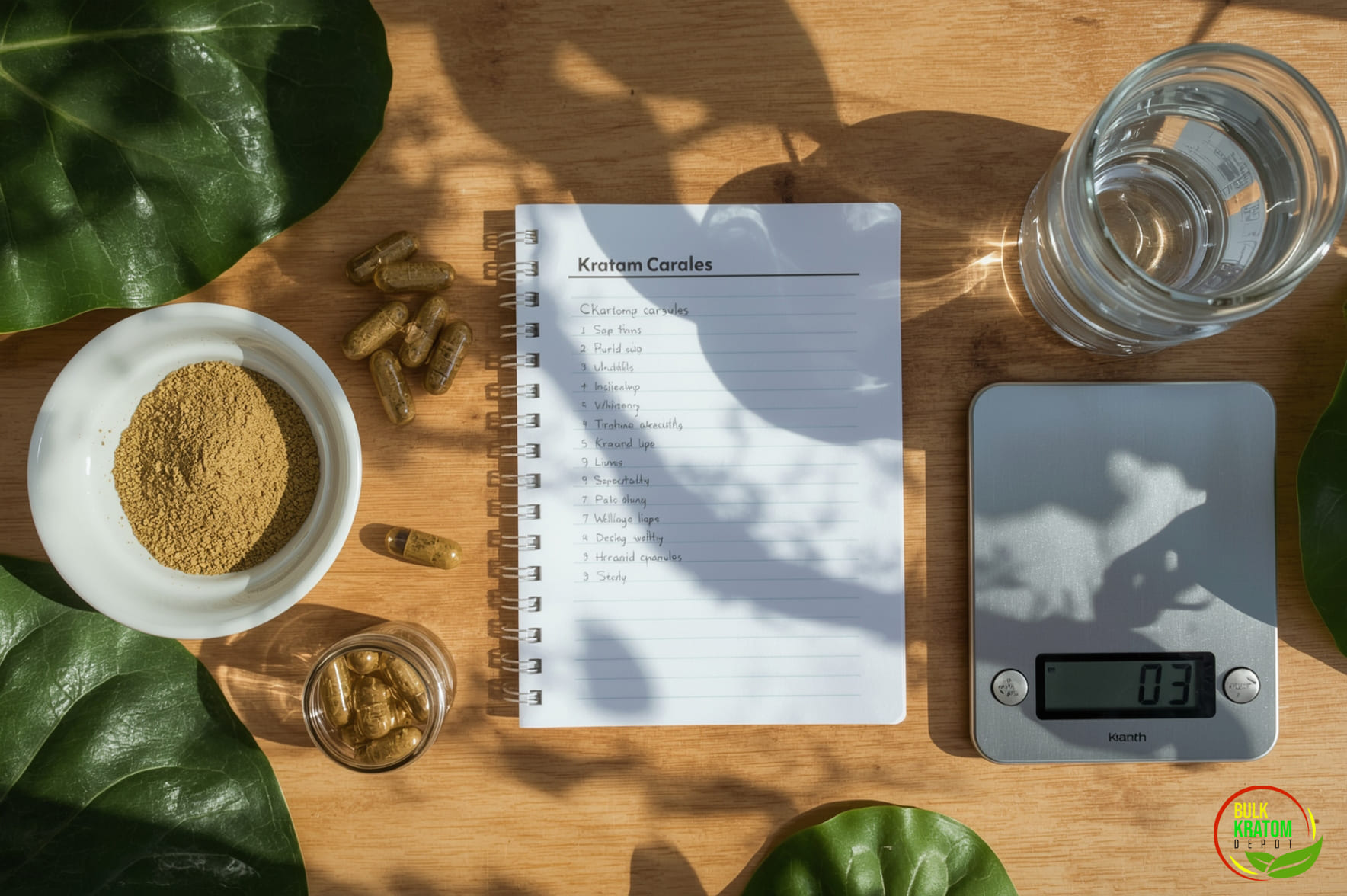
Capsules are convenient for consistent measurement, while teas or traditional preparations may preserve cultural authenticity. Chewables and shots offer portability, but their formulation quality varies. Choosing verified and lab-tested products ensures better transparency.
Digestive Process Differences
Herbal products can be absorbed differently depending on how they are taken. Liquids may act faster because they require less digestion than powders or capsules. Still, every person processes herbs differently, so results can vary.
Sublingual vs. Oral Bioavailability
Some users prefer sublingual methods (holding liquid under the tongue). This technique can change absorption speed. However, scientific studies are still limited, and effects can differ from person to person.
Travel-Friendliness and Discreet Usage
Compact chewables and small bottles appeal to travelers. Always check regional laws and airline regulations before carrying herbal products, as kratom and kava have differing legal statuses around the world.
Cultural and Modern Context
Over the past few decades, kratom and kava have shifted from local traditions to international markets. This change has created new interest but also new responsibility.
Researchers, policymakers, and cultural leaders emphasize the need for education about origins, preparation, and safety. According to the World Health Organization, traditional knowledge should be respected while ensuring consumer safety.
Potential Risks, Tolerance, and Responsible Use
Importance of Moderation
Even natural herbs can pose risks if used excessively. Understanding dosage, quality, and frequency of use is crucial. Responsible users focus on moderation rather than frequent or high-volume intake.
Quality and Product Safety
Always look for clearly labeled ingredients, country of origin, and laboratory test results. Reputable suppliers follow Good Manufacturing Practices (GMP) to ensure purity and consistency.
Legal Status of Kratom and Kava
Legal frameworks vary. Some countries allow both plants for traditional or research purposes, while others restrict them. Before purchasing or transporting any product, confirm local and national regulations.
Interactions and Health Considerations
Kratom and kava may interact with prescription or over-the-counter medications. People with liver, kidney, or heart conditions should avoid experimentation. Pregnant and breastfeeding individuals should not use these products.
Who Should Avoid Use
Kratom is for adults 21+ and kava is for adults 18+. Age requirements may vary by state, so please check local laws. Do not use if you are pregnant or breastfeeding. If you currently have medical conditions or take prescription medications, please consult a healthcare professional before use. If approved for use, start with a low serving size to assess individual response.
Choosing High-Quality Kratom and Kava Products
What to Look for in Product Labels
Transparent labeling builds consumer trust. Check for full botanical names, harvest location, and ingredient lists. Avoid products that make medical or therapeutic claims.
GMP Certification and Lab Testing
Manufacturers that follow GMP standards maintain strict hygiene and quality control. Third-party lab testing confirms product identity and helps prevent contamination.
Differences in Extract Potency
Not all extracts are equal. Some are highly concentrated, while others are mild. Beginners should always start with the smallest possible serving and increase only under professional guidance.
Dosage and Strength Awareness
Because no universal standard exists, education and caution are vital. The safest approach is to study verified academic sources and avoid unverified online dosing charts.
Best Use Scenarios: Educational Perspective
Interest in kratom and kava extends beyond consumption. Students of ethnobotany, anthropology, and herbal medicine study these plants to understand traditional practices and cultural exchange.
Learning how Pacific Island and Southeast Asian communities integrate these herbs into daily life helps preserve valuable knowledge about biodiversity and sustainable agriculture.
Conclusion: Awareness Before Action
Kratom and kava represent centuries of tradition and cultural exchange. Their modern availability invites curiosity but also calls for responsibility.
By focusing on quality, legality, and education, consumers can appreciate these plants respectfully. Always verify information, choose ethical suppliers, and seek medical guidance when needed. To learn more about kratom strains like Maeng Da and explore verified educational resources on sourcing and lab testing, visit Bulk Kratom Depot’s Learning Center.
FAQs About Kratom and Kava
Q1: What are kratom and kava used for traditionally?
Kratom was used in Southeast Asia during work or social activities. Kava played a ceremonial role in Pacific Island communities.
Q2: Are they legal everywhere?
No. Laws vary by region and can change frequently. Always check official government websites before buying or transporting them.
Q3: Are chewables and shots approved products?
In most countries, these products are not approved by health authorities. They are sold as ethnobotanical or cultural goods.
Q4: Can kratom or kava interact with medication?
Yes, both may interact with certain drugs. Speak with a healthcare provider before use.
Q5: How can I ensure product safety?
Choose products with lab reports, GMP certification, and transparent sourcing. Avoid untested or unlabeled products.
Q6: Should these herbs be taken daily?
Frequent use is not well-studied. Occasional, informed use under professional advice is generally safer.